Commercial roofing help when the building cannot wait
Stop the leak. Get a flat roof inspection and written report. Make the right call on repair, coating, or replacement across Allentown and the Lehigh Valley.
Start with what is happening now
Emergency response, inspection, and the right next scope
Commercial Roofing Services
Commercial Roof Asset Management and Capital Planning in Allentown
The first question on a commercial roof asset management call is rarely just the membrane name. We want to know what the building cannot afford to lose: inventory in a Breinigsville warehouse, patient operations near Fountain Hill, tenants on Hamilton Street, or production equipment in a Bethlehem plant.
Our Allentown roof walks are tailored to three local realities: commercial roof asset management scope decisions on Allentown and Lehigh Valley commercial buildings, LVIP and Airport Road facilities tied to the ABE cargo corridor, and older center-city masonry, parapet, and drain layouts near Old Allentown and the West End. Those facts change access planning, roof traffic, drainage assumptions, and the way we explain risk to an owner who has to approve money without turning the roof into a science project.
For portfolio owners turning roofs into inspected, budgeted, trackable assets, we normally begin with a photo-based condition record. We mark open seams, punctures, ponding areas, displaced edge metal, cracked counterflashing, rusted fasteners, contaminated membrane, soft insulation, and roof areas affected by repeated service traffic. A roof that looks simple from the parking lot may have twenty different failure points once we get around the curbs and scuppers.
Lehigh Valley buildings often mix old and new roof sections. A downtown office roof may have a patched asphalt section beside a newer TPO addition. A Route 100 warehouse may have acres of white membrane interrupted by smoke vents, RTUs, skylights, and expansion joints. A school or church may combine steep metal, internal gutters, low-slope connectors, and masonry parapets. We write the scope so those transitions are not ignored.
The climate matters without turning every page into a weather report. NWS Allentown/ABE snowfall tables show enough annual snow to make drain maintenance, overflow planning, and freeze-thaw movement real concerns. Spring and summer storms add wind-driven rain, hail potential, and debris at drains. In practical terms, commercial roof asset management has to account for both sudden leaks and slow moisture movement inside insulation.
We do not push a replacement answer when a repairable roof can be stabilized. We also do not sell a coating over wet insulation or bad attachment. The decision tree is simple: find the moisture, check the deck, confirm code limits, price the alternatives, and show the owner what each option solves. That keeps a maintenance issue from being disguised as a capital solution and keeps a failed roof from being under-scoped.
Access and operations are part of the roof scope. Hamilton Street and center-city buildings require delivery planning, sidewalk awareness, and careful staging. Industrial parks near Airport Road or Upper Macungie usually require truck routing, dock coordination, and protection for active inventory. Healthcare and education buildings add noise, odor, and schedule restrictions. We plan those constraints before crews arrive.
Documentation is the difference between a roof visit and a roof asset file. For commercial roof asset management, we build notes the owner can use later: roof area photos, repair locations, material assumptions, moisture concerns, drain observations, edge-metal condition, safety constraints, and next-step recommendations. When insurance documentation is involved, we stay on the contractor side of the lane: condition findings, measurements, photos, and scope clarification, not claim promises.
Specification choices depend on the existing assembly. TPO, PVC, EPDM, SBS, APP, BUR, SPF, silicone, acrylic, R-panel metal, and standing seam all behave differently around penetrations, drains, traffic, and winter movement. We compare those choices against the building's use, remaining roof life, tear-off exposure, and owner budget instead of treating every low-slope roof as the same product.
Safety and closeout matter on occupied commercial roofs. We coordinate ladders, hatch access, staging, daily housekeeping, hot-work controls where needed, and weather cutoffs. At the end of the work, the owner needs more than a paid invoice. We provide closeout notes, photos, maintenance recommendations, and the repair or replacement boundaries that future managers can understand.
The right next step depends on what the roof is doing now. If water is active inside the building, containment and dry-in come first. If the roof is being evaluated for sale, lease, refinance, or capital planning, a measured inspection and written report are usually the better first move. For Commercial Roof Asset Management, we focus on the next decision the owner actually has to make.
Related planning often includes PVC Roofing, KEE Single-Ply Roofing, Modified Bitumen SBS and APP Roofing, Built-Up Asphalt Roofing, system comparisons such as Fleeceback TPO Roof Systems, PVC Roof Systems, Black EPDM Roof Systems, White EPDM Roof Systems, and nearby service coverage in Emmaus, Macungie, Upper Macungie, Breinigsville.
Questions owners ask before approving Commercial Roof Asset Management
We price the path after we know membrane condition, wet insulation, deck condition, access, and phasing. A recover or coating can be the better capital decision when the roof is dry and code allows another assembly; full replacement becomes the cleaner option when trapped moisture, bad decking, or too many prior layers keep driving repeat leaks.
Most commercial roof asset management work can be phased around tenants, deliveries, patients, students, or production schedules. We plan staging, odor control, access points, hot-work rules, debris routes, and daily dry-in before crews open a roof area.
We combine visual inspection with probe cuts, moisture readings, infrared scans when conditions support them, and leak-history review. The goal is to map the wet area instead of guessing from the ceiling stain.
Yes. We document the existing conditions, the recommended scope, active leak points, drainage issues, edge metal, rooftop penetrations, and closeout conditions so owners have a usable roof file.
For active water entry, we prioritize containment and dry-in first. For non-emergency commercial roof asset management planning, we schedule a roof walk, prepare findings, and separate immediate repairs from budget items.
Make allowances and exclusions visible
A proposal should distinguish verified quantities from allowances and investigation from construction. Roof area, repair limits, test cuts, wet-material removal, deck repair, drain work, equipment coordination, and interior protection can carry different pricing certainty. Exclusions should not function as an escape hatch. Each exclusion needs a reason and, where practical, a defined way to resolve it through testing, access, document review, engineering, or a unit-price condition discovered during construction. When assumptions are visible, the owner can decide whether to investigate further before award or carry a controlled contingency. Either choice is stronger than discovering that two supposedly comparable bids covered different roofs.
Connect the roof problem to the building and weather
Weather around Allentown, PA combines heavy rain, snow, freeze-thaw cycling, wind, and seasonal debris at drains and gutters. The timing of that exposure can reveal a weak detail, yet the weather event and the leak source are not automatically the same thing. Start with the room, ceiling grid, equipment, wall line, and time of entry, then carry those coordinates to the roof. Comparing high and low points, rooftop details, prior patches, and flow paths is more reliable than standing over the first wet-looking surface. A useful report does not hide uncertainty. It names the unverified areas, explains why they were inaccessible, and states which follow-up observation or test would resolve the question.
What the field record must establish
A decision-grade Allentown roof record includes property and roof identifiers, area and system, installation year, warranty status, inspection dates, leak and repair history, condition grade, immediate needs, budget ranges, target year, and next inspection date. Conditions should be organized by roof area and priority rather than buried in a chronological photo dump. The practical method is to inventory each roof area, establish condition and risk, connect service history to current findings, rank projects, and refresh the plan as repairs and inspections change the evidence. Where destructive or electronic testing is proposed, the scope should identify its purpose, limitations, and restoration procedure before work begins. The closeout should identify today's completed scope and tomorrow's unresolved work independently. That structure is especially important when several vendors, tenants, or ownership representatives will rely on the same roof file.
Roof-system details change the diagnosis
Roof-system identification changes the diagnosis. Around Allentown, the target page inventory includes Built Up Asphalt Roofing, Modified Bitumen Systems, and Fleeceback TPO Roof Systems, each with its own seam, flashing, fastener, and compatibility questions. Preparation and repair language must fit the substrate. Cleaning, drying, reinforcement, fastening, priming, welding, adhesion, and cure requirements should not be copied from one roof system to another without verification. Drainage stays in the analysis because a sound patch cannot correct water held against a curb, an overloaded outlet, or settlement at a low point. System language should support which roofs need service now, which can be restored, which require engineering or design, and which replacements should be sequenced into future capital years instead of functioning as a product catalog.
Plan access, interiors, tenants, and daily dry-in
Food Processing Cold Storage, Funeral Home Roofing, and Bank Financial Building Roofing do not share the same interruption tolerance. The roof scope should be written around the occupied property as well as the exterior defect. Document roof access, sensitive rooms and inventory, deliveries, public entrances, tenant hours, exhausts and air intakes, interior evidence, and the route used to move tools and debris. These conditions belong in the written scope before scheduling. Operating controls are roof-quality controls. Water, debris, odor, noise, or an unsecured access point can harm the owner even when the installed detail itself is correct, so those risks need owners and closeout checks.
Separate immediate service from capital work
The decision point is which roofs need service now, which can be restored, which require engineering or design, and which replacements should be sequenced into future capital years. The evidence may support a small permanent repair, a broader corrective scope, a restoration evaluation, recover design, or tear-off, but the report needs to show why. The option matrix should address present failure, remaining risk, investigation still required, installation disruption, anticipated service interval, and future maintenance. Unknown inputs should be visible rather than buried in an allowance. This prevents an urgent call from becoming an automatic reroof pitch. It also prevents endless patches from consuming money on a roof whose moisture, failures, or lifecycle cost has crossed a reasonable replacement threshold.
The handoff should survive the service call
After this scope, the record should advance to a living roof file supported by inspections and service agreements, with repair and replacement handled as separate opportunities. Carrying the same roof-zone names and evidence forward prevents the next visit from starting with an empty file. The record should support both field work and management review. Technicians need locations and prior details; ownership needs priorities, open risk, completed spending, next inspection dates, and a defensible future sequence. Recurring service should not disappear when a capital project begins. Commercial Roofing of Allentown can preserve the agreement and roof history while larger work is scoped, completed, closed out, and returned to inspection status.
Collect the details that shape safe dispatch
A useful intake for Commercial Roofing of Allentown identifies who can grant access, where water is entering, what operations are affected, whether electrical or ceiling hazards exist, how the symptom changes with weather, and which roof records or photographs are available. Interior photographs can preserve stain limits and active-drip locations before ceiling materials are moved. Roof photographs from facility staff may help with orientation, but they do not replace safe field verification or authorize untrained personnel to enter the roof. Clear intake notes reduce wasted roof time and prevent the handoff from losing urgent details. They also create the first event in the roof history that later inspections and repair records can reference.
Allentown decision checklist
- Map the interior symptom to a named roof area before selecting a repair detail.
- Record temporary measures separately from permanent work and list every open item.
- Verify drainage, penetrations, walls, edges, earlier repairs, and transitions around the affected area.
- State the observed roof assembly, unknown construction, access limits, and testing assumptions.
- Connect the recommendation to repair, restoration, replacement, maintenance, or capital-planning thresholds.
- Set the next inspection or follow-up date so the roof history continues after this visit.
Commercial roof decision questions
Does this condition automatically mean the roof must be replaced?
No. The review should establish which roofs need service now, which can be restored, which require engineering or design, and which replacements should be sequenced into future capital years. Replacement becomes a defensible recommendation only when the field evidence, moisture, assembly condition, repair history, deck or attachment concerns, and lifecycle comparison support it.
What should the Allentown roof scope document?
It should document property and roof identifiers, area and system, installation year, warranty status, inspection dates, leak and repair history, condition grade, immediate needs, budget ranges, target year, and next inspection date. It should also label temporary and permanent work separately, state assumptions and exclusions, and identify the inspection or service step that follows the current scope.
How does an urgent call become a maintenance or capital plan?
The immediate visit creates the first roof-area record. A follow-up inspection establishes condition and priorities. Completed repairs, recurring observations, drain service, warranties, and future recommendations are then retained so maintenance stays scheduled and larger work can be placed into the appropriate capital year.
From service call to roof plan
Use the next decision, not the biggest sale.
Stabilize the problem, document the roof, compare the viable paths, and keep the resulting roof history active.
Explore More
Commercial Roof Repair
We trace active leaks back to the real entry point rather than chasing the ceiling stain, a distinction that matters on the wide warehouse roofs around Lehigh Valley Industrial Park where water can travel far from its source.
Explore Commercial Roof RepairCommercial Roof Inspections & Reports
A documented inspection catches the splitting seams, clogged drains, and lifted flashing that quietly turn into winter leaks here, and gives Allentown owners the photo record insurers and lenders increasingly ask to see.
Explore This PathCommercial Roof Replacement
A full tear-off and replacement is the honest answer when moisture has saturated the insulation, and we schedule the work in dry-out windows so Allentown buildings stay weather-tight through every phase.
Explore Commercial Roof ReplacementFlat roof inspection and report
See the problem before you approve the price.
A roof walk should answer the questions that matter. Where is water getting in? How much of the roof is affected? Is the insulation wet? Can the roof be repaired or restored? What would trigger replacement?
We document membrane condition, seams, flashings, drains, penetrations, moisture concerns, and priority repairs so ownership has a roof file it can use.
Request a Roof Inspection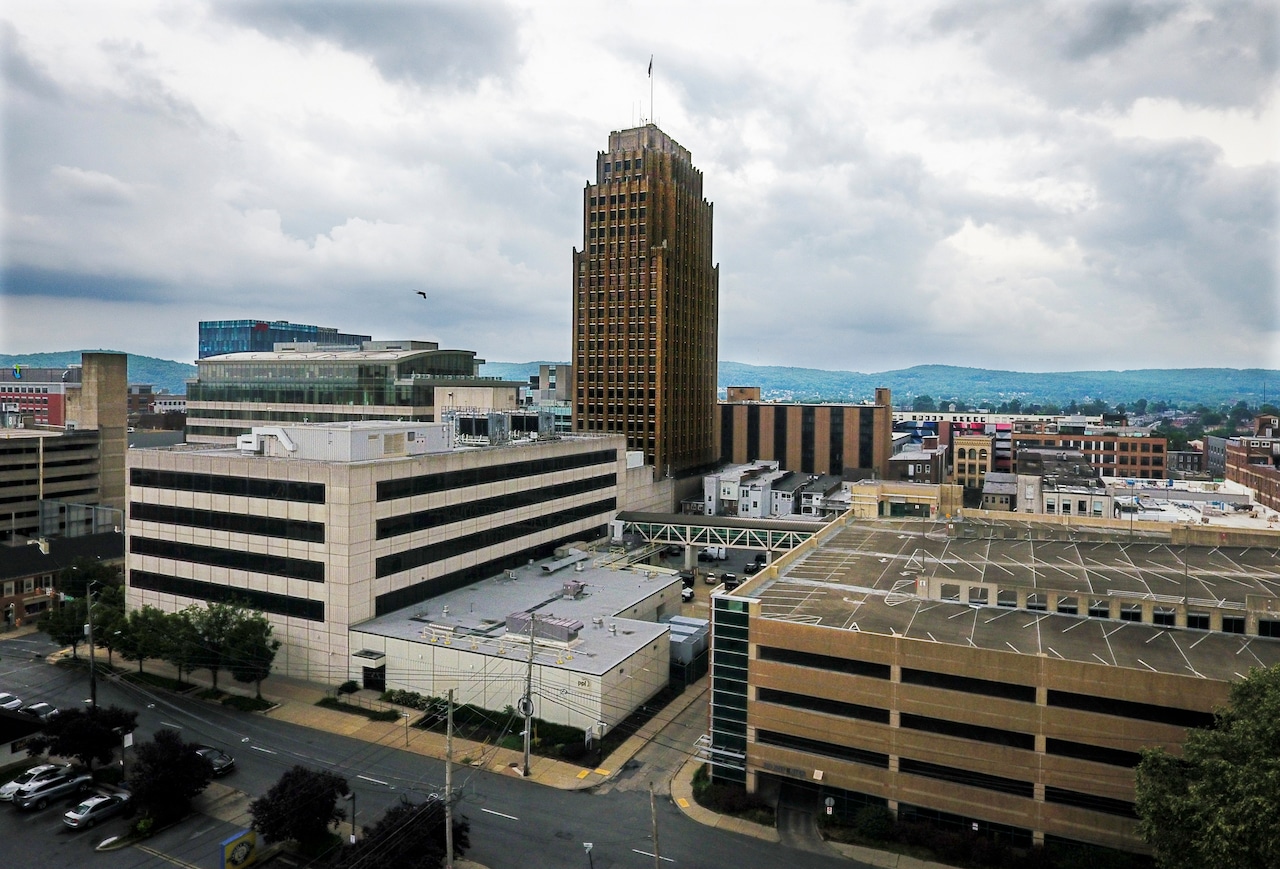
Stay ahead of the next leak
Turn roof service into a plan, not a string of emergency invoices.
A commercial roof service agreement keeps inspections, drainage, minor maintenance, leak history, photos, and repair priorities in one place. It is built for one property or an entire Lehigh Valley portfolio.
Review Service AgreementsRoof Systems
TPO 60mil Roof Systems
TPO at 60 mil offers a reliable, cost-effective reflective membrane for valley warehouses and retail, balancing welded-seam durability with the summer heat rejection these big roofs need.
PVC Roof Systems
Heat-welded PVC resists grease, oils, and exhaust while forming monolithic seams, making it the membrane of choice for valley restaurants and plants where a lesser sheet would fail at the laps.
Modified Bitumen SBS Roofing
SBS modified bitumen adds rubberized flexibility that flexes with Pennsylvania's freeze-thaw swing, making it a resilient multi-ply membrane for smaller Lehigh Valley low-slope roofs.
Repair, coat, or replace. Make the call with evidence.
Repair what is repairable
Target isolated failures, stop active water entry, and document the repair so the next service call starts with real history.
Restore the right roof
A coating can extend a dry, stable roof. Adhesion, moisture, drainage, and detail preparation decide whether it is a sound investment.
Replace when the roof is done
Widespread moisture, repeated failures, bad decking, or exhausted details call for a replacement scope that resets performance and warranty.
Lehigh Valley Coverage
Allentown, PA Commercial Roofing
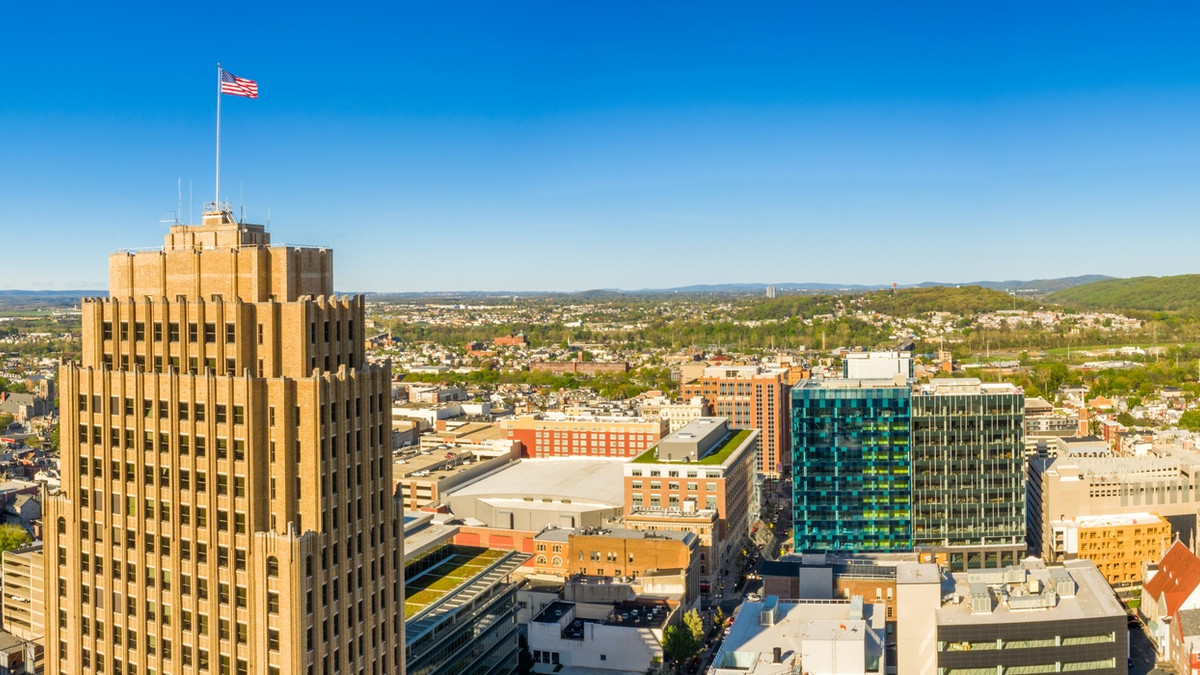
As Pennsylvania's third-largest city and the hub of the Lehigh Valley, Allentown's downtown towers, warehouses, and retail all rely on commercial roofs that handle real snow load and summer storm rain.
Downtown Allentown, PA Commercial Roofing
A practical commercial roofing plan for Downtown Allentown, PA properties separates urgent leak control from repair, coating, maintenance, and replacement decisions supported.
Bethlehem, PA Commercial Roofing
Bethlehem pairs historic Moravian-era buildings with the redeveloped SteelStacks district, so commercial roofing here ranges from delicate restoration detailing to large modern membranes built for Lehigh Valley weather.
Easton, PA Commercial Roofing
Easton anchors the eastern edge of the Lehigh Valley at the Delaware River, where its historic downtown and Lafayette-area buildings need roofing that protects character architecture from Pennsylvania weather.
Airport Road, PA Commercial Roofing
The Airport Road commercial strip in Allentown mixes auto dealers, retail, and light industrial under aging flat roofs, and we keep those high-traffic buildings sealed against the valley's hard freeze-thaw winters.
Lehigh Valley Industrial Park, PA Commercial Roofing
Commercial roofing in Lehigh Valley Industrial Park, PA should begin with a documented assessment of membrane condition, seams, flashings, drainage, penetrations,.
Upper Macungie, PA Commercial Roofing
Upper Macungie is one of the Lehigh Valley's busiest logistics and industrial townships, where enormous distribution roofs demand the drainage and seam discipline that keep product dry.
Whitehall, PA Commercial Roofing
Whitehall's MacArthur Road retail corridor is one of the Lehigh Valley's busiest, packed with big-box stores whose vast flat roofs we keep drained and sealed against heavy seasonal weather.
Emmaus, PA Commercial Roofing
Emmaus combines a walkable historic borough core with surrounding light industry, so commercial roofing here spans tidy storefront work and larger low-slope buildings built for valley winters.
One call for the commercial roof
Emergency repair, flat roof inspection, coating evaluation, replacement planning, and ongoing service across Allentown and the Lehigh Valley.
Request Roof Review